Lenders will look at the amount of money that comes in every month versus what is spent. This will be factored into their evaluation of your ability to take on a mortgage.
by Steve | Dec 28, 2025 | Guides & Tutorials
Owning your own home starts with a mortgage process. Many borrowers choose to use a conventional loan program and with good reason: with lower rate options and flexibility on mortgage insurance, the conventional program is attractive to many home buyers.
Need quick answers in your journey to finding the perfect home loan? Here’s a quick breakdown of the key facts you need about conventional mortgages.
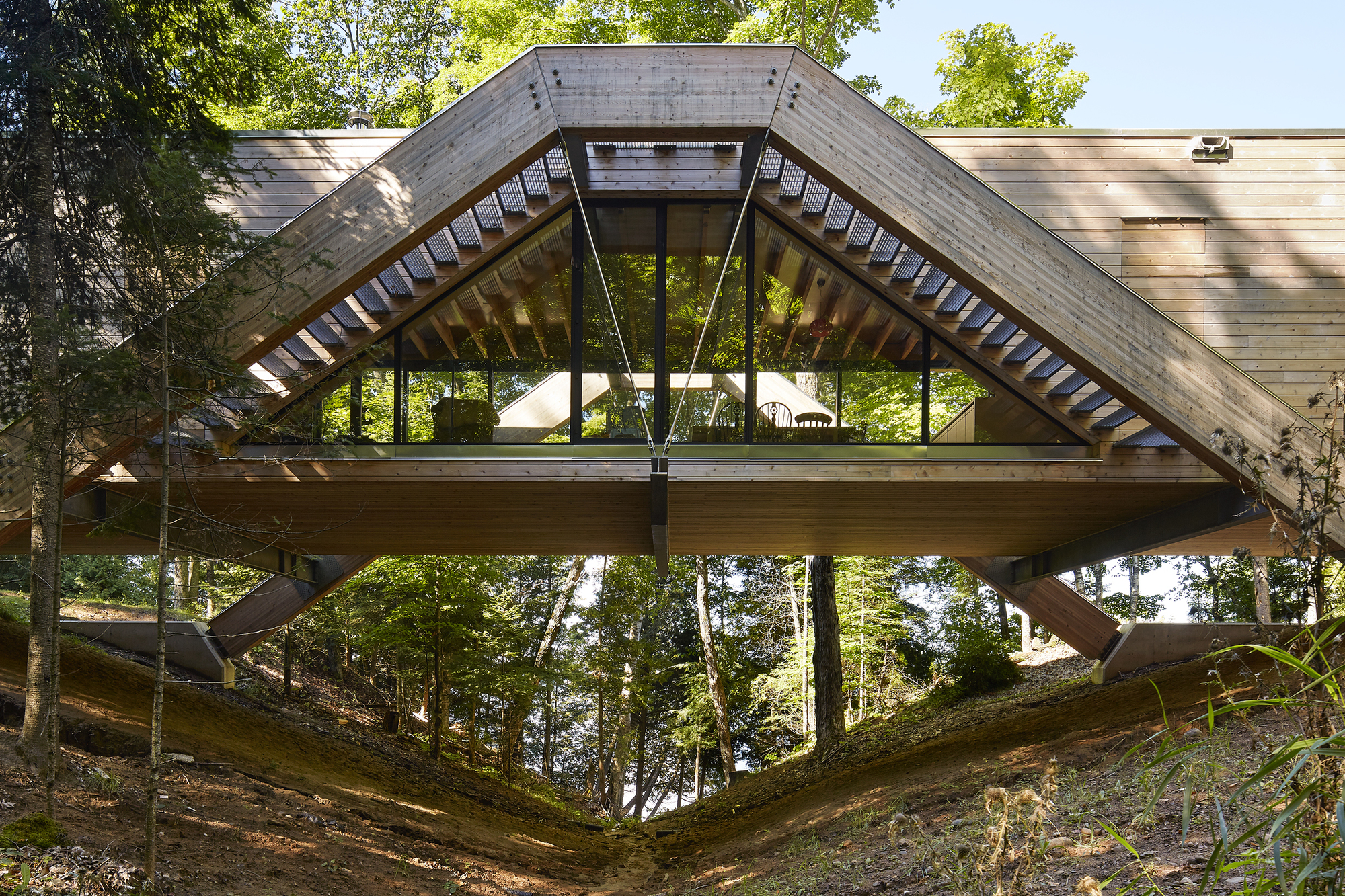
Conventional mortgages are home loans issued by private lenders, such as banks and credit unions, and are not directly backed by the government. Unlike government-backed loans (FHA, VA, USDA), which have specific eligibility requirements and purposes, conventional mortgages offer more flexibility and cater to a wider range of borrowers.
Here’s a breakdown of how conventional mortgages differ:
Conventional loans come in two categories: conforming and non-conforming. Conforming loans adhere to specific loan amount limits set by Fannie Mae and Freddie Mac. These limits vary by county but generally fall under $766,550 for most areas. Non-conforming loans exceed these limits and are often referred to as “jumbo loans.”
Steve Abo and his team of mortgage strategists will help you find the right program for your ideal home, market, and goals.
Obtaining a conventional mortgage might seem daunting, but understanding the key requirements can empower you on your homeownership journey. Here’s a breakdown of the essential steps:
Credit Score: This is a critical factor in qualifying for a conventional mortgage. Generally, a minimum credit score of around 620 is required, with higher scores leading to better interest rates. Think of your credit score as your financial report card, and a strong score demonstrates your responsible credit history.
Down Payment: While the ideal down payment for a conventional mortgage is 20% of the purchase price, there are options for lower down payments. Here’s the breakdown
Conventional mortgages offer a wider variety of loan options compared to government-backed loans, allowing you to tailor your financing to your specific needs and financial goals. Here’s a breakdown of the most common types:
These are conventional mortgages that adhere to loan amount limits set by Fannie Mae and Freddie Mac. These limits vary by county but typically fall under $766,550 for most areas. Conforming loans offer competitive interest rates and are widely available through various lenders.
This is the most common type of conventional loan, meeting the standard conforming loan limit.
In some high-cost areas, the conforming loan limit may be higher (up to $1,149,825). These loans are still considered conforming but offer higher borrowing amounts for more expensive properties.
These loans exceed conforming loan limits and are typically used to finance luxury homes or properties in very expensive areas. Jumbo loans may come with slightly higher interest rates compared to conforming loans, but they offer financing options for those purchasing higher-priced homes.
This is a popular choice for those who prioritize predictability. With a fixed-rate mortgage, your interest rate and monthly payment remain constant throughout the loan term. This provides peace of mind knowing your housing costs won’t fluctuate.
ARMs offer an initial period with a lower interest rate (often lower than fixed rates). However, after the initial fixed-rate period, the interest rate can adjust periodically (usually annually or every few years) based on a financial index. This can lead to potential savings upfront but carries the risk of higher monthly payments in the future.
While less common, there are niche conventional loan options for specific situations.
Conventional mortgages can allow down payments as low as 3% with private mortgage insurance (PMI).
These loans are for borrowers who may not meet traditional qualifying criteria but have documented assets or income that can support the loan. However, they often come with stricter requirements and higher interest rates.
Remember: When choosing a conventional mortgage, it’s crucial to consider your financial goals and risk tolerance. Do you prioritize a predictable monthly payment or a potentially lower initial rate? A licensed mortgage broker, like the team at Abo Capital, can help you navigate your options and select the conventional loan that best suits your needs.
While conventional mortgages offer a great path to homeownership for many, they aren’t the only option. Here’s a comparison table to help you understand how conventional loans stack up against other popular loan types:
Conventional mortgages typically require a strong credit score and a higher down payment (ideally 20%, but possible with as low as 3% down payment with private mortgage insurance). However, FHA loans offer more lenient credit score requirements, making them easier to qualify for with a minimum down payment of 3.5%.
VA loans are a fantastic option for veterans and active military personnel, allowing them to purchase a home with no down payment required. USDA loans cater to rural property purchases and come with income limits, but they also eliminate the down payment requirement in eligible areas.
When it comes to interest rates, conventional loans often boast the potential for lower rates compared to other options. FHA and USDA loans may have slightly higher interest rates, while VA loans offer competitive rates.
Loan limits are another factor to consider. Conventional loans come in conforming and non-conforming categories. Conforming loans adhere to specific limits set by government-sponsored enterprises, while jumbo loans exceed those limits. FHA and USDA loans also have loan limits in some areas.
Ultimately, the best loan option for you depends on your circumstances. Consulting with a mortgage professional can help you navigate the different eligibility requirements, interest rates, down payment options, and loan limits to find the perfect fit for your financial situation and home-buying goals.
FHA loans with their lower down payment requirements can be a good option for first-time buyers. However, if you have a strong credit score and sufficient savings, a conventional loan might offer lower interest rates in the long run.
VA loans offer significant benefits like no down payment requirement and competitive rates, making them an excellent choice for eligible veterans.
USDA loans are specifically designed to promote homeownership in rural areas, offering low down payments and competitive rates for eligible properties.
Understanding the core concepts of conventional mortgages empowers you to make informed decisions. Here are some additional factors to consider as you navigate your homeownership journey:
Interest Rates: Interest rates on conventional mortgages can vary depending on several factors, including:
Closing Costs: Closing costs encompass various fees associated with purchasing a home and obtaining a mortgage. These can include loan origination fees, appraisal fees, title insurance, and escrow fees. While not directly part of the loan amount, closing costs can add up. Shopping around for lenders and comparing closing cost estimates can help you find the most competitive options.
Private Mortgage Insurance (PMI): If your down payment on a conventional mortgage is less than 20%, you’ll likely be required to pay private mortgage insurance (PMI). PMI protects the lender in case of default and is typically added to your monthly mortgage payment. Once your loan-to-value (LTV) ratio reaches 80% (meaning you’ve paid down 20% of the original loan amount), PMI is usually canceled.
The Mortgage Application Process: Obtaining a conventional mortgage involves submitting a formal application with your lender. The process typically involves providing documentation to verify your income, assets, and employment history. A pre-approval can be a helpful first step, allowing you to determine your borrowing power and demonstrate your seriousness to potential sellers.
The experienced team at Abo Capital will run your numbers and get you an accurate rate estimate to help you make an actionable mortgage plan. With a deeper understanding of all your numbers, we can guide you to the best mortgage choice for your short- and long-term goals.



by Steve | Dec 28, 2025 | Guides & Tutorials
Your project scope, interest rate, down payment, and other factors will impact the overall cost of a construction loan. Depending on your budget, you may find that a construction loan and a mortgage to purchase an existing home may be similar.
The price of a home can change the loan program you’re allowed to use. Conventional loans are limited by conforming loan limits, which are set at the county level. Anything above that price will likely require a jumbo mortgage program.
Lenders will look at the amount of money that comes in every month versus what is spent. This will be factored into their evaluation of your ability to take on a mortgage.
(310) 312-1200 ext. 1
Information is subject to change without notice. This is not an offer for extension of credit or a commitment to lend. Subject to credit and underwriter approval. By clicking submit you consent to receiving SMS messages. ABO Capital is not a licensed Credit Repair Company.
NMLS 1763084
California BRE 01167081
Florida MBR4882
Texas SML
Quick Links
Residential Loan Programs
Commercial and Investment Loans
Abo Capital ® 2024